The crushing weight of an unexpected medical bill can feel like a punch to the gut, instantly derailing your hard-won financial stability. You've worked tirelessly to build a secure future, only to have a stack of complex paperwork threaten to undo it all. But here’s the truth: those initial bills are often just the starting point for a conversation, and with the right strategy, you can significantly reduce what you owe and protect your financial peace of mind.
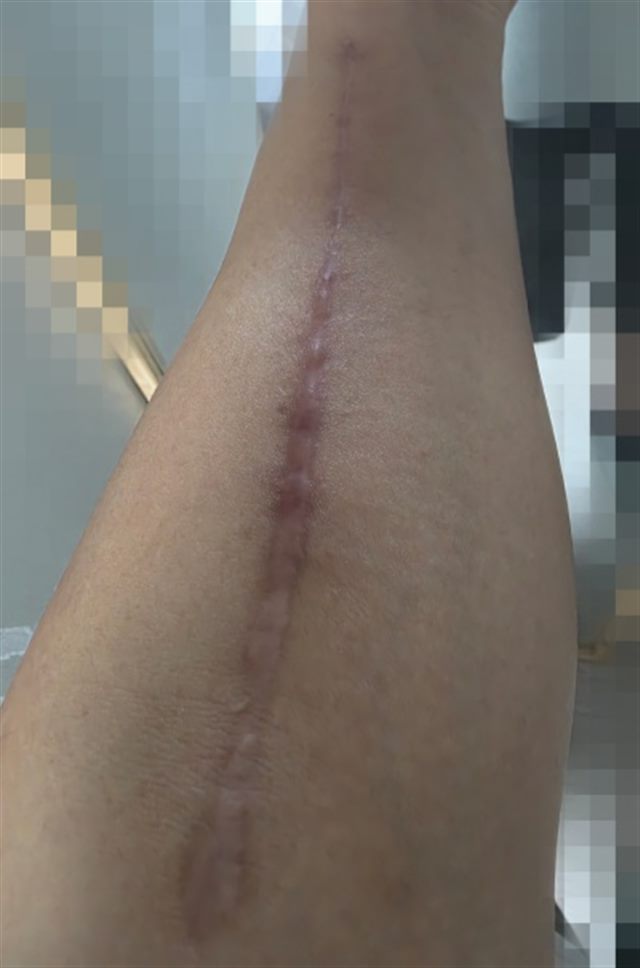
I know this feeling well. After major heart surgery unexpectedly cost me my job, I faced a mountain of medical costs while trying to rebuild my life from scratch. It was a stark lesson in the vulnerability of personal finances and the necessity of advocating for yourself. That experience taught me invaluable lessons about scrutinizing every bill and fighting for fair treatment, principles I applied diligently as I slowly rebuilt my emergency fund, paid down debt, and began careful, long-term investing.
This isn't financial advice, but a guide born from real-world experience. Always confirm current figures with official sources like the IRS or your specific insurance provider.
Understanding Your Bill: The First Line of Defense
Most people get this wrong: they see a bill, assume it's accurate, and pay it. The actual trade-off here is simple: a few hours of your time reviewing paperwork versus potentially thousands of dollars in overcharges. Medical bills are notoriously complex, often filled with errors, duplicate charges, or services you didn't receive. Hospitals and providers send out bills that are often inflated, knowing that many people won't question them.
What the official guidance often doesn't tell you is that the initial bill is rarely the final word. It's often a "chargemaster" price – a list price that almost no one, not even insurance companies, actually pays. Your goal is to get closer to the negotiated rate or even lower.
Example: Imagine receiving a bill for $15,000 for a procedure. After requesting an itemized bill, you might find charges for two anesthesia administrations when you only had one, or a "hospital stay" fee for a same-day outpatient procedure. Catching just one of these errors could save you hundreds or even thousands.
- Step 1: Request an Itemized Bill. Do not pay anything until you have a detailed breakdown of every single charge, service, medication, and supply. This is crucial.
- Step 2: Compare with Your Explanation of Benefits (EOB). Your insurance company sends an EOB explaining what they covered, what they didn't, and why. Cross-reference every line item on the itemized bill with your EOB. Look for discrepancies, services not covered, or unexpected deductibles.
- Step 3: Understand Medical Codes. Bills use CPT (Current Procedural Terminology) codes and ICD (International Classification of Diseases) codes. A quick online search can help you understand what these codes represent and ensure they match the services you received.
- Step 4: Note Dates and Times. Verify that the dates and times for services align with your actual hospital stay or appointment.
Common Mistake to Avoid: Paying the bill without reviewing it. Once you pay, it's much harder to dispute charges. Many people feel overwhelmed and just want the bill gone, but this often costs them significantly.
Before You Call: Preparation is Power
Approaching a negotiation without preparation is like walking into a chess game blindfolded. The trade-off is between investing time in research and being completely at the mercy of the billing department. Your goal is to gather information that strengthens your position and provides leverage.
This is where disciplined research pays off. You need to know what fair market value is for the services you received and understand your own financial standing inside and out. As someone who had to manage every penny after losing my job, I learned that every conversation about money requires solid groundwork.
- Gather All Documents: Have your itemized bill, EOB, insurance card, and any medical records related to the service readily available.
- Research Fair Prices: Use online tools like Fair Health Consumer, Healthcare Bluebook, or your insurance company's cost estimator to find out what similar procedures or services cost in your geographic area for both insured and uninsured patients. This gives you a baseline for what a "fair" price might be.
- Know Your Insurance Policy: Understand your deductible, out-of-pocket maximum, copayments, and coinsurance. Confirm if the providers were in-network or out-of-network. This information is vital for knowing what your insurance *should* cover.
- Assess Your Financial Situation: Be prepared to discuss your income, savings, and monthly expenses. Hospitals often have financial assistance programs, but you'll need to demonstrate genuine need.
Pre-Call Checklist:
| Item |
Status (Yes/No) |
Notes |
| Itemized Bill Obtained |
|
|
| EOB Reviewed & Matched |
|
|
| Medical Codes Understood |
|
|
| Fair Price Research Complete |
|
|
| Insurance Policy Details Clear |
|
|
| Financial Snapshot Ready |
|
|
Common Mistake to Avoid: Assuming the hospital won't negotiate. Many hospitals have significant leeway, especially if you can pay a reduced lump sum immediately. They prefer getting something over nothing, or sending it to collections.
The Negotiation Call: Strategy & Script
This is where your preparation turns into action. The trade-off is between being timid and accepting the first offer, versus being polite but firm and advocating for yourself. Remember, the person on the other end of the line is often just following a script; your job is to guide them towards solutions that benefit you.
Some readers might wonder, "Is this just an ad for some negotiation service?" No, this is a universal strategy applicable to anyone facing medical bills. It relies on your own efforts and understanding of the system, not a third-party service. It's about empowering you to take control.
- Step 1: Call the Billing Department. Be polite, calm, and clear. State your purpose: you're calling to discuss a bill and explore options for reducing the amount due.
- Step 2: Point Out Errors. If you found discrepancies in the itemized bill, start there. "I noticed a charge for X on [date] that doesn't seem correct, as I only received Y service."
- Step 3: Ask for a Discount. If no errors are found, ask for a discount. Many hospitals offer discounts (e.g., 20-40%) for patients who pay cash or can pay a lump sum immediately. "I am prepared to pay a portion of this bill today if we can agree on a reduced amount. What is the lowest cash price you can offer?"
- Step 4: Reference Fair Prices. "I've researched the fair market rate for this procedure in our area, and it seems to be closer to [researched lower amount]. Can we adjust the bill to reflect a more reasonable cost?"
- Step 5: Inquire About Financial Assistance. Ask about charity care, financial aid programs, or hardship waivers. Be prepared to provide financial documentation.
- Step 6: Negotiate a Payment Plan. If a discount isn't possible, or you can't pay a lump sum, negotiate an interest-free payment plan that fits your budget. Ensure the monthly payments are manageable.
- Step 7: Document Everything. Keep a detailed log of every call: date, time, representative's name, what was discussed, and any agreements made. Request confirmation of agreements in writing.
Example of Negotiation: You have a $10,000 bill. You've researched and found similar procedures cost $6,000 for cash payers. You offer to pay $5,000 upfront. The billing department might counter with $7,000 if paid today. You counter with $6,000. Many will accept a lump sum payment that is 40-50% off the initial bill, sometimes more for the uninsured. Even a $4,000 reduction is significant.
Common Mistake to Avoid: Getting emotional or aggressive. While frustrating, a calm, rational approach is more effective. The person on the phone is more likely to help someone who is respectful.
When to Escalate & What Else to Consider
Sometimes, the initial call doesn't yield the results you need. The trade-off here is persistence versus giving up and facing potential collections. Knowing when and how to escalate can make a significant difference in the outcome.
From my own experience, having rebuilt my finances after a major health crisis, I learned that sometimes, the biggest win isn't a huge discount, but a manageable payment plan that protects your emergency fund and allows you to keep building your financial foundation. It's about cash flow, not just the total number. Don't let pride or frustration lead you to accept an unmanageable payment or ignore the bill entirely.
- Contact a Patient Advocate: Most hospitals have patient advocates or ombudsmen whose job is to mediate disputes and help patients navigate the system. They can be a powerful ally.
- Appeal to Your Insurance Company: If you believe your insurance should have covered more, you have the right to appeal their decision. Review your EOB carefully and follow the appeal process outlined by your insurer.
- Contact Your State Department of Insurance: If you're getting nowhere with your insurance company, your state's Department of Insurance can intervene. They regulate insurance practices and can investigate complaints.
- Seek Charity Care: Non-profit hospitals are often required to offer charity care to low-income patients. Research the hospital's specific charity care policy, which should be publicly available.
- Consider a Medical Bill Advocate: If the bill is very large and complex, and you're feeling overwhelmed, a professional medical bill advocate can negotiate on your behalf for a fee (often a percentage of savings).
- Beware of Collections: If a bill goes to collections, it can negatively impact your credit score. If you're struggling, communicate with the hospital. Often, even a small payment plan can prevent a bill from being sent to collections.
Example: You've tried negotiating directly and appealing to your insurer without success. Your $8,000 bill still stands. You contact the hospital's patient advocate. They review your case and find that a particular service was coded incorrectly, leading to a $2,000 reduction. Then, based on your income, they approve you for a charity care discount of an additional $1,500, bringing your total to $4,500, payable over 12 months interest-free. This multi-pronged approach often yields better results.
Common Mistake to Avoid: Letting a bill go to collections out of frustration or inaction. Even if you can't pay, communicate. Ignoring the problem only makes it worse for your credit and future financial health.
Preventing Future Surprises & Building Resilience
The best negotiation is the one you don't have to make. The trade-off here is proactive financial planning versus reactive crisis management. Building a robust financial foundation is key to weathering unexpected medical costs without derailing your long-term goals.
This proactive approach was central to my financial recovery. After facing unexpected medical costs and job loss, I prioritized building an emergency fund, understanding my insurance, and utilizing tax-advantaged accounts like HSAs. It's not about getting rich quickly; it's about disciplined financial habits that create resilience.
- Build a Robust Emergency Fund: Aim for 3-6 months (or even more) of living expenses saved in an easily accessible, high-yield savings account. This fund is your first line of defense against unexpected medical bills, job loss, or other financial shocks.
- Understand Your Insurance Policy Inside Out: Before you need care, know your deductible, out-of-pocket maximum, copays, coinsurance, and whether your plan covers specific services or providers. Call your insurer with questions.
- Utilize Health Savings Accounts (HSAs) or Flexible Spending Accounts (FSAs): If you have a high-deductible health plan (HDHP), an HSA is a powerful tool. Contributions are tax-deductible, grow tax-free, and withdrawals for qualified medical expenses are tax-free. It's a triple tax advantage. For those without an HDHP, an FSA (use-it-or-lose-it) can still save you money on predictable medical costs. Confirm current contribution limits with the IRS.
- Choose In-Network Providers: Always verify that any doctor, specialist, or facility you use is in your insurance network to avoid higher out-of-network costs.
- Get Pre-Approvals: For non-emergency procedures, always get pre-authorization from your insurance company. This confirms coverage before you receive the service.
Sell Outcomes, Not Features: By taking these preventative steps, you're not just "using an HSA"; you're building a dedicated, tax-advantaged fund that can cover a significant portion of your deductible or out-of-pocket maximum without touching your main emergency savings. You're not just "understanding your policy"; you're proactively reducing the stress and financial hit when medical needs arise, allowing your budget to remain stable and your long-term investing goals to stay on track.
Negotiating medical bills is a skill born out of necessity, but it’s one that can save you significant money and protect your financial future. Pull out your last medical bill today and start reviewing it. If you're looking for more ways to strengthen your financial foundation, consider exploring our articles on building an emergency fund or understanding your insurance policy.
This article is for general information only, based on public sources and the author's own experience, and is not financial advice. Confirm current figures with official sources before acting.